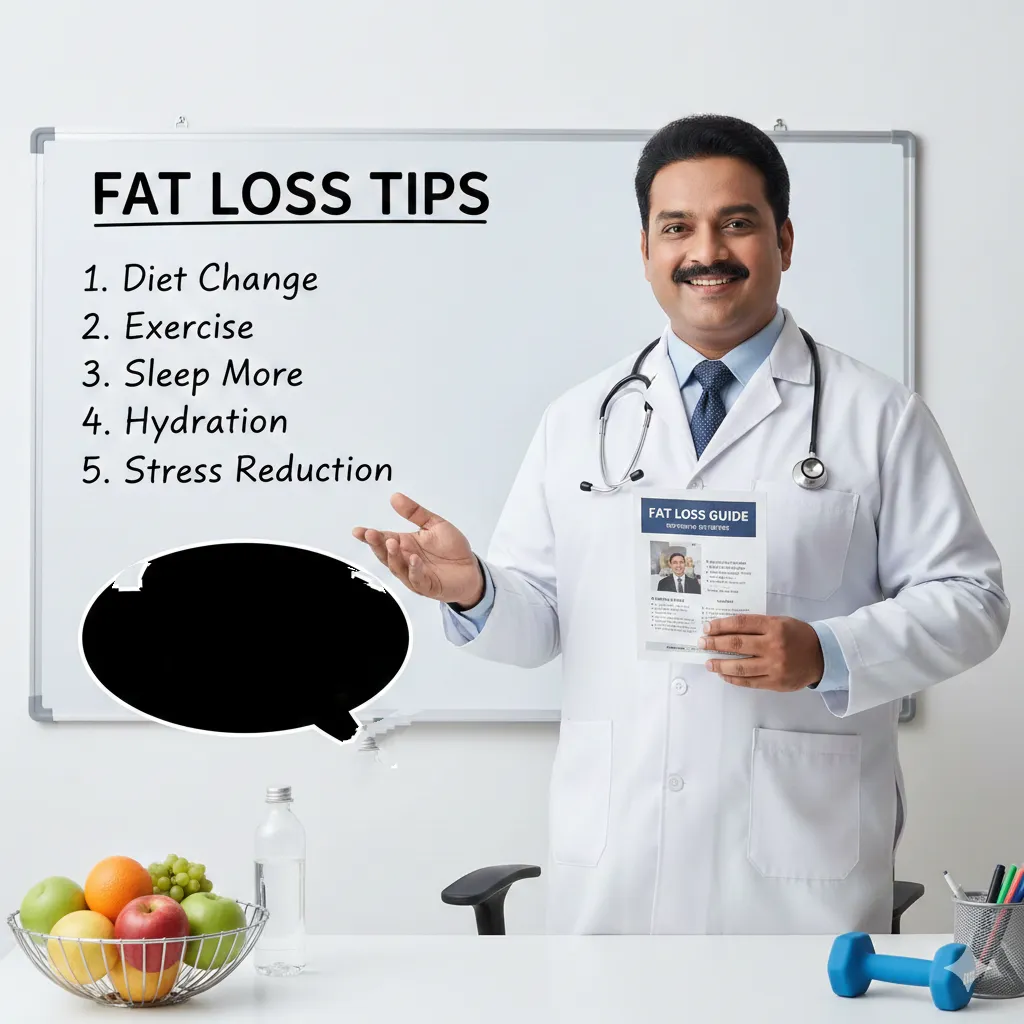

Fat loss is not just about looking fit; it is about improving overall health, energy levels, and long-term well-being. Many people struggle with fat loss because they follow extreme diets or unrealistic workout plans that are difficult to maintain. Sustainable fat loss requires a balanced approach that combines nutrition, physical activity, lifestyle habits, and consistency.
This guide explains practical and science-based fat loss tips that can help you lose body fat safely and maintain results over time.
Understand the Basics of Fat Loss
Fat loss occurs when your body uses more calories than it consumes. This calorie deficit forces the body to burn stored fat for energy. However, extreme calorie restriction can slow metabolism and lead to muscle loss. The goal should be a moderate and sustainable calorie deficit that supports fat loss while preserving muscle mass.
Consistency matters more than quick results. Slow and steady fat loss is healthier and easier to maintain.
Focus on a Balanced Diet
Nutrition plays the most important role in fat loss. A balanced diet helps control hunger, maintain energy levels, and support metabolism.
Prioritize whole foods such as vegetables, fruits, lean proteins, whole grains, and healthy fats. These foods are nutrient-dense and keep you full for longer periods.
Protein is especially important for fat loss. It supports muscle retention, boosts metabolism, and reduces cravings. Include protein sources like eggs, chicken, fish, beans, tofu, or dairy in every meal.
Reducing processed foods, sugary drinks, and refined carbohydrates helps control calorie intake and improves overall health.
Control Portion Sizes
Even healthy foods can lead to weight gain if portion sizes are too large. Learning portion control helps maintain a calorie deficit without feeling deprived.
Eating slowly and paying attention to hunger signals can prevent overeating. Using smaller plates and avoiding distractions during meals also supports mindful eating.
Stay Hydrated
Drinking enough water is a simple but effective fat loss tip. Water helps regulate appetite, supports digestion, and improves workout performance.
Sometimes thirst is mistaken for hunger, leading to unnecessary snacking. Drinking water before meals can help reduce calorie intake naturally.
Replacing sugary beverages with water or unsweetened drinks significantly reduces daily calorie consumption.
Combine Cardio and Strength Training
Exercise accelerates fat loss and improves body composition. A combination of cardio and strength training delivers the best results.
Cardio exercises such as walking, jogging, cycling, or swimming help burn calories and improve heart health. Strength training builds muscle, which increases resting metabolism and helps burn more calories throughout the day.
Including resistance training at least two to three times per week supports long-term fat loss and prevents muscle loss.
Increase Daily Physical Activity
Fat loss is not only about workouts. Daily movement plays a major role in calorie burning.
Simple habits such as walking more, taking stairs, stretching, or standing frequently can significantly increase daily energy expenditure. Staying active throughout the day supports metabolism and complements structured exercise routines.
Get Enough Sleep
Sleep is often overlooked in fat loss plans. Poor sleep disrupts hormones that control hunger and appetite, leading to increased cravings and overeating.
Adults should aim for seven to nine hours of quality sleep each night. Consistent sleep schedules and limiting screen time before bed improve sleep quality and support fat loss.
Manage Stress Effectively
Chronic stress can slow fat loss by increasing cortisol levels, which may promote fat storage, especially around the abdominal area.
Stress management techniques such as deep breathing, meditation, light exercise, or hobbies help maintain hormonal balance and improve overall well-being.
Reducing stress also improves sleep quality and supports healthier food choices.
Avoid Crash Diets and Quick Fixes
Crash diets promise rapid fat loss but often lead to muscle loss, nutritional deficiencies, and weight regain. These approaches are difficult to maintain and can harm metabolism.
Sustainable fat loss focuses on long-term lifestyle changes rather than temporary solutions. Small, consistent improvements lead to lasting results.
Track Progress the Right Way
Tracking progress helps maintain motivation and accountability. Instead of focusing only on the scale, consider other indicators such as energy levels, strength improvements, body measurements, and how clothes fit.
Fat loss does not always happen in a straight line. Plateaus are normal and often temporary. Staying consistent through these phases is key.
Be Patient and Consistent
Fat loss takes time, and results vary from person to person. Comparing progress with others can lead to frustration. Focus on your own journey and long-term health goals.
Consistency with healthy eating, regular exercise, proper sleep, and stress management produces lasting fat loss results.
Final Thoughts
Effective fat loss is built on simple but powerful habits. A balanced diet, regular physical activity, proper sleep, hydration, and stress management work together to support healthy weight loss.
Instead of chasing quick results, focus on sustainable changes that fit your lifestyle. With patience, discipline, and consistency, fat loss becomes achievable and maintainable for the long term.