
A successful fat loss journey depends more on diet than exercise. Many people struggle with fat loss because they follow extreme diets that are difficult to maintain. The best diet plan for fat loss is not about starving or eliminating entire food groups. Instead, it focuses on balanced nutrition, portion control, and sustainable eating habits that support long-term health.
This article explains the best diet plan for fat loss, including what to eat, what to avoid, meal timing, and practical tips to achieve consistent results.
Understanding Fat Loss and Diet
Fat loss occurs when the body is in a calorie deficit, meaning it burns more calories than it consumes. However, not all calorie deficits are healthy. An extreme reduction in calories can slow metabolism, cause muscle loss, and lead to nutritional deficiencies.
The best diet plan for fat loss creates a moderate calorie deficit while providing essential nutrients. This approach supports fat burning without harming overall health.
Key Principles of the Best Diet Plan for Fat Loss
Focus on Whole Foods
Whole foods form the foundation of any effective fat loss diet. These foods are rich in nutrients and low in empty calories.
Examples include vegetables, fruits, lean meats, eggs, fish, legumes, whole grains, nuts, and seeds. Whole foods help control hunger, stabilize blood sugar levels, and improve digestion.
Avoiding highly processed foods is crucial because they are often high in sugar, unhealthy fats, and calories with little nutritional value.
Prioritize Protein Intake
Protein is the most important nutrient for fat loss. It helps preserve muscle mass, boosts metabolism, and keeps you full for longer periods.
Including protein in every meal reduces cravings and prevents overeating. Good protein sources include chicken breast, fish, eggs, Greek yogurt, cottage cheese, lentils, beans, tofu, and whey protein.
A higher-protein diet also increases the thermic effect of food, meaning the body burns more calories during digestion.
Choose Healthy Carbohydrates
Carbohydrates are often misunderstood in fat loss diets. Cutting carbs completely is not necessary and can reduce energy levels.
The best diet plan for fat loss includes complex carbohydrates such as oats, brown rice, quinoa, sweet potatoes, whole wheat bread, and fruits. These carbs provide fiber and sustained energy.
Refined carbohydrates like white bread, pastries, sugary snacks, and sweetened beverages should be limited because they cause blood sugar spikes and increase fat storage.
Include Healthy Fats
Healthy fats are essential for hormone balance and overall health. Eliminating fats entirely can negatively affect metabolism and nutrient absorption.
Include sources of healthy fats such as avocados, olive oil, nuts, seeds, and fatty fish. These fats help control appetite and improve satiety when consumed in moderation.
Portion control is important, as fats are calorie-dense.
Best Meal Structure for Fat Loss
Breakfast
A fat loss-friendly breakfast should include protein, fiber, and healthy fats. This combination keeps you full and reduces mid-morning cravings.
Examples include eggs with vegetables, Greek yogurt with berries, or oatmeal with nuts and seeds.
Lunch
Lunch should be balanced and satisfying. Include lean protein, complex carbohydrates, and vegetables.
A typical fat loss lunch might consist of grilled chicken or fish, brown rice or quinoa, and a large portion of vegetables.
Dinner
Dinner should be lighter than lunch but still nutritious. Focus on protein and vegetables while keeping carbohydrates moderate.
Examples include baked fish with steamed vegetables or lentils with salad.
Snacks
Healthy snacks help prevent overeating during meals. Protein-rich snacks such as nuts, boiled eggs, yogurt, or fruits are good options.
Avoid frequent snacking on processed foods, which adds unnecessary calories.
Hydration and Fat Loss
Drinking enough water plays an important role in fat loss. Water supports digestion, metabolism, and appetite control.
Many people confuse thirst with hunger, leading to unnecessary calorie intake. Drinking water before meals can naturally reduce portion sizes.
Replacing sugary drinks with water significantly lowers daily calorie consumption.
Meal Timing and Fat Loss
Meal timing is less important than total calorie intake, but consistency helps maintain energy levels.
Eating regular meals prevents extreme hunger and binge eating. Some people find success with intermittent fasting, while others prefer traditional meal schedules.
The best approach is the one that fits your lifestyle and can be maintained long term.
Foods to Avoid for Fat Loss
Certain foods make fat loss more difficult due to high calorie content and low nutritional value.
Sugary drinks, fast food, fried items, packaged snacks, sweets, and baked goods should be limited. Alcohol can also slow fat loss by adding empty calories and affecting metabolism.
Reducing these foods improves calorie control and overall health.
Common Diet Mistakes That Slow Fat Loss
Many people fail to lose fat because they skip meals or follow extremely low-calorie diets. This often leads to muscle loss and metabolic slowdown.
Another mistake is relying on supplements instead of real food. Supplements cannot replace a balanced diet.
Inconsistent eating habits and lack of portion control are also common issues that prevent progress.
Sample Fat Loss Diet Plan Outline
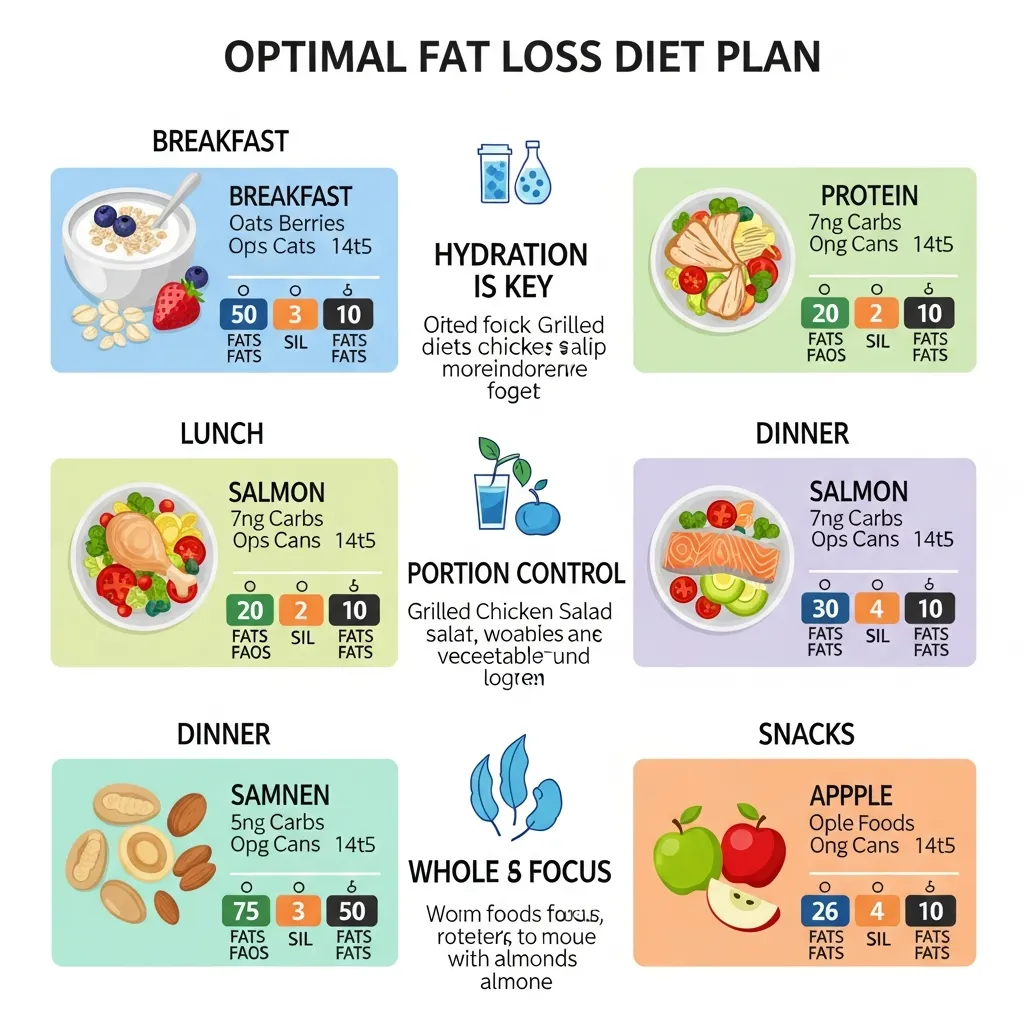
A simple daily structure for fat loss may include:
A protein-rich breakfast with fiber
A balanced lunch with lean protein and complex carbs
A light dinner focused on protein and vegetables
One or two healthy snacks if needed
This structure can be adjusted based on individual preferences and calorie needs.
Sustainability Is the Key to Success
The best diet plan for fat loss is one that you can follow consistently. Temporary diets may show quick results, but sustainable eating habits lead to lasting fat loss.
Allowing flexibility, enjoying occasional treats in moderation, and focusing on long-term health improve adherence and results.
Final Thoughts
The best diet plan for fat loss is not about restriction or deprivation. It is about smart food choices, balanced nutrition, and consistency. Prioritizing protein, whole foods, healthy fats, and complex carbohydrates creates an effective and sustainable fat loss diet.
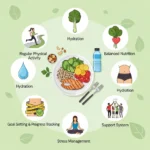
By focusing on long-term habits rather than quick fixes, fat loss becomes achievable and maintainable. A balanced diet combined with regular physical activity, proper sleep, and stress management delivers the best results for healthy fat loss.