
Healthy weight loss programs focus on losing body fat safely while improving overall health, energy levels, and lifestyle habits. Unlike crash diets or extreme workout plans, healthy programs are designed to be sustainable, balanced, and suitable for long-term success. The goal is not only weight reduction but also better nutrition, improved fitness, and a positive relationship with food.
This article explains what healthy weight loss programs are, how they work, their key components, and how to choose the right program for lasting results.
What Are Healthy Weight Loss Programs
Healthy weight loss programs are structured plans that combine nutrition, physical activity, behavioral changes, and lifestyle improvements. These programs promote gradual weight loss, usually one to two pounds per week, which is considered safe and effective by health experts.
Such programs focus on fat loss rather than just lowering the number on the scale. They aim to preserve muscle mass, support metabolism, and reduce the risk of chronic diseases.
Why Healthy Weight Loss Matters
Rapid weight loss through extreme dieting can lead to muscle loss, nutritional deficiencies, hormonal imbalance, and weight regain. Healthy weight loss programs avoid these risks by encouraging consistent habits and realistic goals.
A balanced program improves heart health, blood sugar control, digestion, sleep quality, and mental well-being. Sustainable weight loss also reduces the risk of obesity-related conditions such as diabetes, high blood pressure, and joint problems.
Key Components of Healthy Weight Loss Programs
Balanced Nutrition
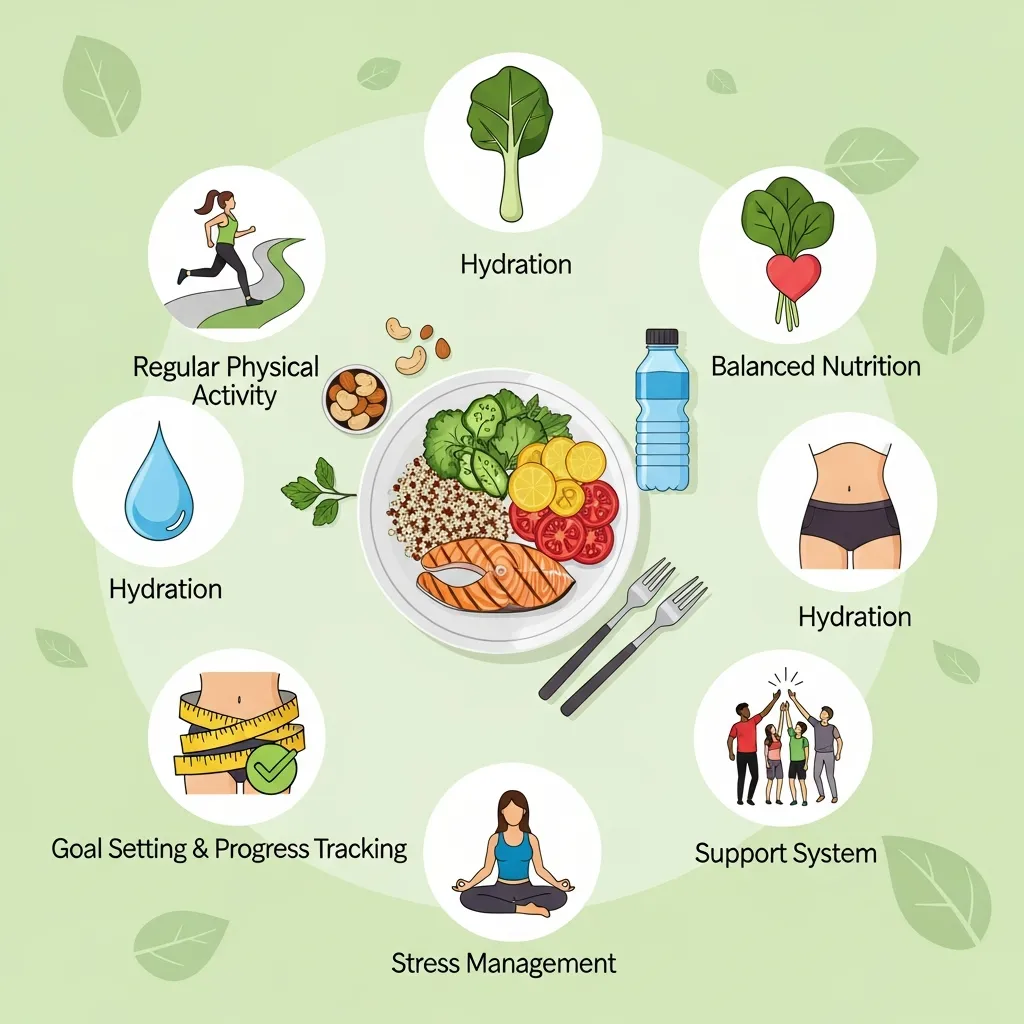
Nutrition is the foundation of any healthy weight loss program. Instead of eliminating entire food groups, balanced programs emphasize whole foods and proper portion control.
A healthy meal plan includes lean proteins, whole grains, vegetables, fruits, and healthy fats. Protein plays a vital role in preserving muscle mass and controlling appetite. Fiber-rich foods improve digestion and promote fullness, reducing overeating.
Healthy programs avoid highly processed foods, sugary drinks, and excessive refined carbohydrates, which contribute to weight gain.
Calorie Awareness Without Extreme Restriction
Healthy weight loss programs create a moderate calorie deficit rather than severe restriction. This approach allows the body to burn fat without slowing metabolism.
Learning calorie awareness helps individuals understand portion sizes and food choices. Sustainable programs focus on consistency rather than perfection, making them easier to follow long term.
Regular Physical Activity
Exercise is an essential part of healthy weight loss programs. A combination of cardiovascular exercise and strength training delivers the best results.
Cardio activities such as walking, cycling, swimming, or jogging help burn calories and improve cardiovascular health. Strength training builds lean muscle, which increases resting metabolism and enhances fat loss.
Most programs recommend at least 150 minutes of moderate physical activity per week, along with strength training two to three times weekly.
Lifestyle and Behavior Changes
Healthy weight loss programs address behavior and lifestyle habits that influence body weight. This includes mindful eating, stress management, sleep improvement, and time management.
Mindful eating helps individuals recognize hunger and fullness cues, reducing emotional or stress-related eating. Improving sleep quality supports hormone balance and appetite control.
Behavioral changes are critical because weight loss is not only about food and exercise but also about daily habits.
Accountability and Support
Many healthy weight loss programs include accountability tools such as progress tracking, coaching, or community support. These features increase motivation and consistency.
Support can come from healthcare professionals, fitness trainers, dietitians, or online communities. Accountability helps individuals stay focused and overcome setbacks.
Types of Healthy Weight Loss Programs
Dietitian-Guided Programs
These programs are supervised by registered dietitians who create personalized meal plans based on health conditions, preferences, and goals. Dietitian-led programs are ideal for individuals with medical conditions or specific dietary needs.
Fitness-Based Weight Loss Programs
Fitness-focused programs emphasize structured workout routines combined with balanced nutrition. These programs are suitable for individuals who enjoy physical activity and want to improve strength and endurance along with weight loss.
Medical Weight Loss Programs
Medical weight loss programs are supervised by healthcare professionals and may include clinical assessments, nutrition counseling, and lifestyle guidance. These programs are often recommended for individuals with obesity or related health conditions.
Online and App-Based Programs
Digital weight loss programs provide flexibility and convenience. They offer meal tracking, workout plans, educational content, and virtual coaching. These programs are popular due to affordability and accessibility.
How to Choose the Right Healthy Weight Loss Program
Choosing the right program depends on personal goals, lifestyle, and health status. A good program should be realistic, flexible, and evidence-based.
Avoid programs that promise rapid weight loss or rely on extreme restrictions. Look for programs that encourage balanced eating, regular movement, and long-term habit changes.
Consulting a healthcare professional before starting a weight loss program is especially important for individuals with medical conditions.
Common Mistakes to Avoid
Many people fail in weight loss efforts due to unrealistic expectations. Expecting quick results often leads to disappointment and quitting.
Skipping meals, cutting calories too aggressively, or relying on supplements instead of real food can harm progress. Healthy programs focus on nourishment, not deprivation.
Another common mistake is ignoring sleep and stress, which play a major role in weight management.
Tracking Progress in a Healthy Way
Healthy weight loss programs track more than just body weight. Measurements such as energy levels, strength improvements, body measurements, and overall well-being provide a clearer picture of progress.
Weight fluctuations are normal, and plateaus are part of the process. Consistency and patience are essential for long-term success.
Benefits of Healthy Weight Loss Programs
Healthy weight loss programs offer long-lasting benefits beyond physical appearance. These include improved metabolism, better mental health, increased confidence, and reduced disease risk.
Participants often develop lifelong skills related to nutrition, fitness, and self-care, making it easier to maintain results.
Final Thoughts
Healthy weight loss programs are designed to support safe, sustainable, and long-term fat loss. By focusing on balanced nutrition, regular physical activity, lifestyle changes, and consistency, these programs help individuals achieve lasting results.
Instead of chasing quick fixes, choosing a healthy weight loss program that fits your lifestyle leads to better health, improved confidence, and long-term success. Sustainable habits, not extreme measures, are the key to effective weight loss.